Skip to content
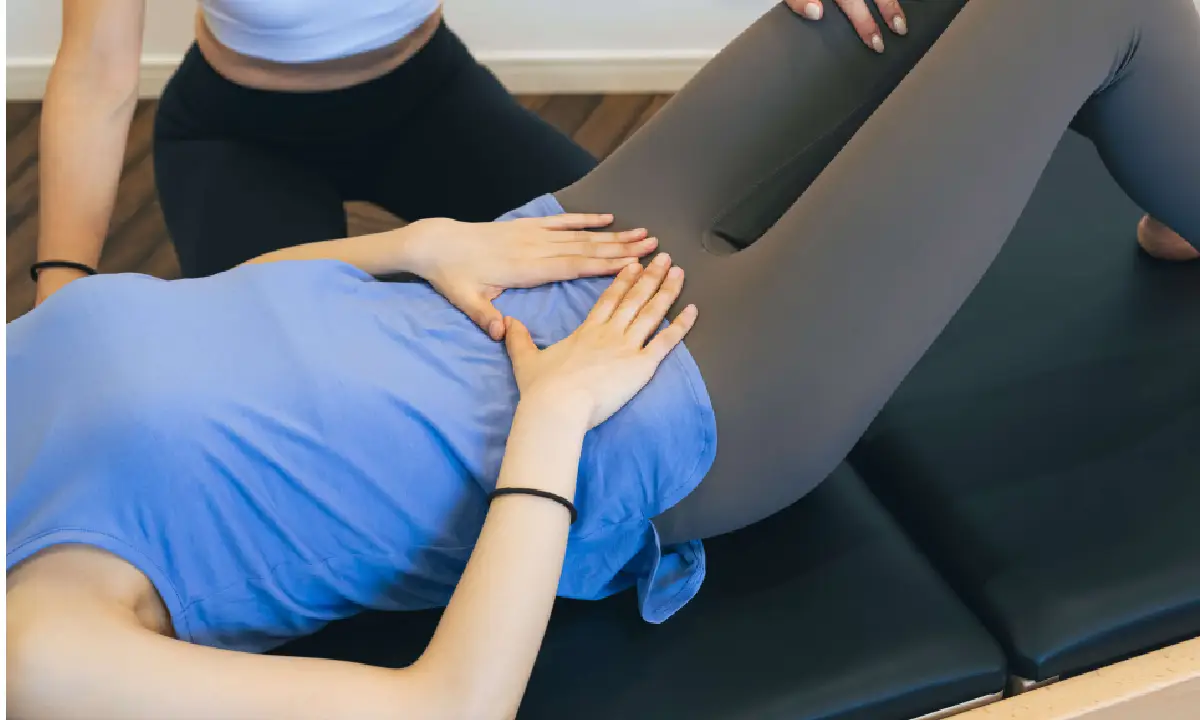
Table of Contents
After having a baby, it’s normal to feel like your body has changed in ways no one warned you about. And while the focus is often on bouncing back, a lot of new moms are quietly dealing with things that don’t feel glamorous at all, leaking when you laugh, feeling less control, or noticing intimacy doesn’t feel the same.
If you’ve been wondering whether pelvic floor tightening after childbirth can help you feel more like yourself again, you’re not alone. At Allure Aesthetics, many postpartum women in Great Falls are looking for real, non-surgical options that support healing without pressure, shame, or hype.
Understanding Pelvic Floor Tightening After Childbirth
Your pelvic floor is a group of muscles and connective tissues that sit like a supportive hammock at the bottom of your pelvis. These muscles help hold up the bladder, uterus, and bowel, and they play a major role in:
- Bladder control
- Core stability
- Posture and back support
- Sexual function and sensation
- Overall pelvic comfort
During pregnancy, these muscles stretch under the weight of the growing baby. Then, during delivery, especially vaginal birth, they can become strained, weakened, or lose coordination.
This is why postpartum pelvic recovery is about more than just waiting for time to pass. Some women naturally regain strength as their body heals, but many need extra support, especially if they’re experiencing symptoms like:
- Leaking urine when sneezing, laughing, jumping, or lifting
- A heavy or dropping sensation in the pelvis
- Trouble holding urine for long periods
- Reduced sensation or confidence during intimacy
- Ongoing pelvic discomfort
Pelvic floor tightening isn’t about fixing your body. It’s about helping your muscles recover so daily life feels easier again, without constantly planning around a bathroom.
Why Postpartum Pelvic Floor Weakness Happens
One of the most frustrating things about pelvic floor issues is how unpredictable they can feel. You can have a smooth birth and still struggle. You can have a C-section and still experience weakness. And you can do all the right things and still feel off.
A few reasons pelvic floor dysfunction can happen postpartum include:
- Pregnancy changes the pelvic floor before delivery even happens
By the third trimester, your pelvic floor has already been under months of pressure. Hormones also soften connective tissue, which helps during delivery, but can leave muscles less supported afterward.
- Pushing and delivery can overstretch muscle fibers
The pelvic floor can be strained, much like a hamstring in a sports injury. Sometimes it heals quickly. Sometimes it needs more time and training.
- The core and pelvic floor work as a team
If your deep core muscles are weak (common postpartum), your pelvic floor often has to “overwork,” which can create symptoms even when you’re trying to strengthen it.
- Postpartum life adds extra strain.
Constant lifting, carrying a car seat, holding a baby on one hip, and being sleep-depriveddon’tt exactly set your body up for ideal recovery.
This is why strengthening pelvic muscles after delivery isn’t always as simple as doing a few Kegels. For many women, it’s about rebuilding coordination and endurance, not just squeezing harder.
Non-Surgical Pelvic Floor Tightening Options for New Moms
If you’re a mom researching pelvic floor therapy for new moms, you’ll see several approaches. The best option depends on your symptoms, comfort level, and desired level of support.
1) Pelvic floor physical therapy
Pelvic floor physical therapy is often the gold standard for postpartum pelvic recovery. It can help with both weakness and tightness (yes, some pelvic floors are actually too tense, not too weak).
A trained pelvic PT may guide you through:
- Breath and core coordination
- Gentle strength rebuilding
- Relaxation work if muscles are overactive
- Scar tissue support (including C-section recovery)
This is a great option, especially if you have pain, prolapse symptoms, or a complicated delivery history.
2) At-home exercises
Many women start with Kegels or postpartum workout programs. These can help-but they can also backfire if done incorrectly or too aggressively.
If you’re doing Kegels and noticing:
- Increased pressure
- More leaking
- Pelvic heaviness
- Pain during intimacy
…it may indicate your muscles aren’t coordinating properly, and you may need a different strategy.
3) BTL Emsella postpartum treatment
For moms who want a non-invasive treatment for postpartum weakness without the learning curve of exercises, BTL Emsella postpartum treatment has become a popular option.
Emsella uses high-intensity focused electromagnetic (HIFEM) energy to stimulate pelvic floor muscle contractions. In one session, your muscles perform thousands of contractions-similar to doing Kegels, but far more intensely than most people can do on their own.
What this can support:
- Better bladder control
- Stronger pelvic muscle engagement
- Reduced urinary leakage
- More confidence during movement and workouts
- Improved pelvic support over time
This is one of the more talked-about postpartum incontinence solutions because it’s quick, non-surgical, and requires no downtime.
At Allure Aesthetics, pelvic floor tightening in Great Falls, MT is performed with this type of technology, which appeals to new moms who want help without adding another complicated routine to their schedule.
Who Is Pelvic Floor Tightening After Childbirth Best For?
The best candidates are often moms who:
- Had a vaginal delivery or multiple pregnancies
- Experience leaking when laughing, coughing, or working out
- Feel their pelvic strength hasn’t returned months after birth
- Want a non-invasive option with no downtime
- Prefer an in-office solution over learning complex rehab routines
- Feel self-conscious about postpartum pelvic changes
This can also be helpful for women dealing with pelvic floor weakness from other life stages, including menopause or aging-but postpartum moms are one of the most common groups looking for pelvic floor rehab in Great Falls, MT.
Reclaim Your Postpartum Strength (Without Pressure or Hype)
If you’re ready to explore pelvic floor tightening in a way that feels supportive, private, and realistic, Allure Aesthetics offers options designed for women who want postpartum confidence without surgery or downtime. If you’d like to learn more about BTL Emsella postpartum treatment and whether it fits your needs, you can start here: Reclaim Your Postpartum Strength.
A simple consultation can give you clarity, answer the questions you’ve been holding back, and help you choose the right next step for your pelvic health after pregnancy, on your timeline, and for your body.